How Swiss Payment Preferences Shape Session Control in Regulated Digital Gaming Environments
Anna Friedrich · Aug 21, 2026
How Swiss Payment Preferences Shape Session Control in Regulated Digital Gaming Environments
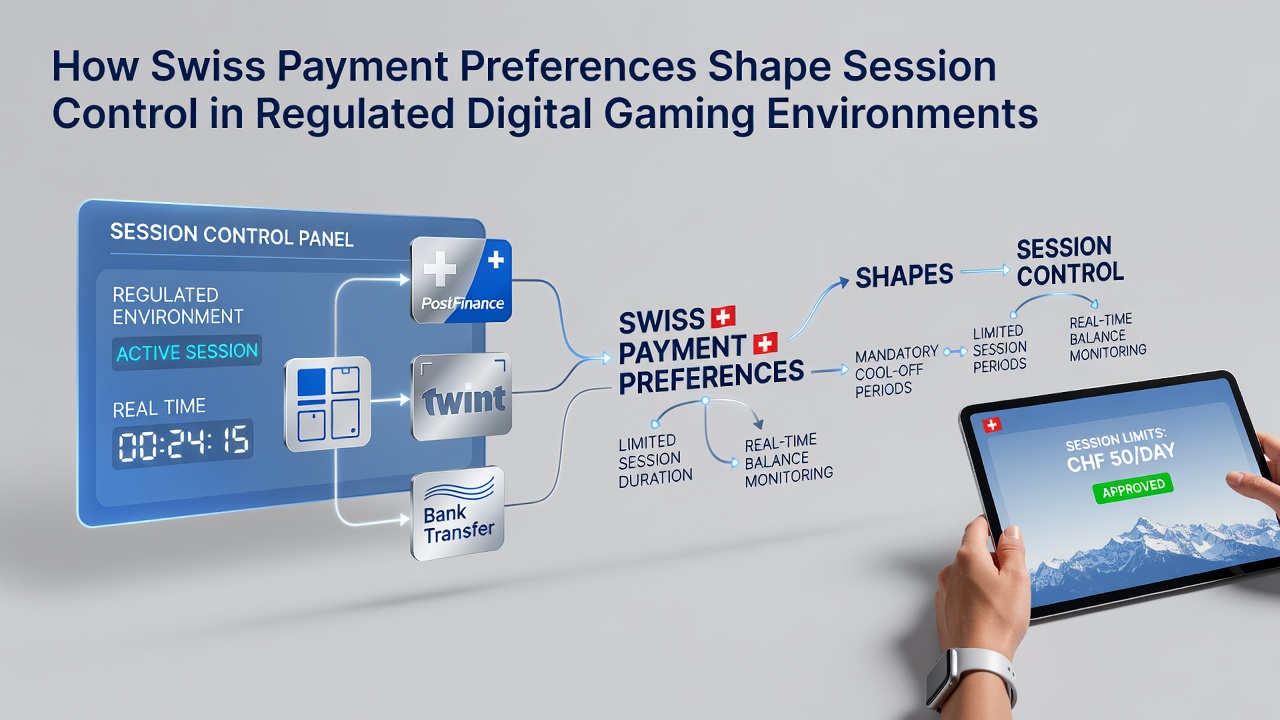
Swiss payment preferences have become central to how operators manage session control within the country's tightly regulated digital gaming sector, where banking habits and digital wallet adoption directly influence deposit limits, time tracking, and responsible gaming tools. Data from regulatory reports compiled through August 2026 shows that players in Switzerland favor domestic solutions such as TWINT alongside traditional bank transfers, and these choices create technical pathways that platforms use to enforce session boundaries automatically. Observers note that this integration reduces the need for separate software layers because payment processors already carry built-in verification steps that align with federal requirements under the Games of Chance and Casinos Act.
Regulatory Framework and Payment Integration
The Federal Gaming Board oversees all licensed online casinos and requires every transaction to pass through systems that support real-time monitoring, which means payment methods popular among Swiss residents end up shaping how long sessions can last before mandatory breaks or deposit caps activate. Researchers at the University of Lausanne documented in 2025 how TWINT transactions trigger instant balance checks that feed directly into session control algorithms, allowing platforms to pause play when predefined thresholds are reached without additional player input. This linkage proves especially effective because Swiss banking infrastructure already embeds strong authentication protocols that operators can repurpose for gaming compliance rather than building parallel systems from scratch.
Common Payment Methods and Their Technical Effects
Bank transfers remain a staple for larger deposits, yet they introduce deliberate delays that naturally segment gaming sessions into shorter windows compared with instant wallet options. TWINT, by contrast, processes payments in seconds and therefore demands tighter algorithmic controls to prevent rapid successive deposits that could extend play beyond intended limits. Credit card usage has declined steadily since 2023 according to figures released by the Swiss Federal Gaming Board, partly because card networks require additional verification layers that platforms convert into reality-check prompts during active sessions. E-wallet services from international providers face stricter onboarding rules, which in turn limits their role in session management because fewer players adopt them under the current licensing conditions.
What's interesting is how these preferences create measurable differences in average session duration across licensed sites. Platforms report that TWINT-heavy user bases experience more frequent automated interventions, whereas bank-transfer users encounter fewer but more substantial deposit reviews that reset session timers less often. This pattern emerges consistently in operational data shared among licensed operators through industry forums organized by the Swiss Casinos Association.
Data Patterns Observed Through Mid-2026
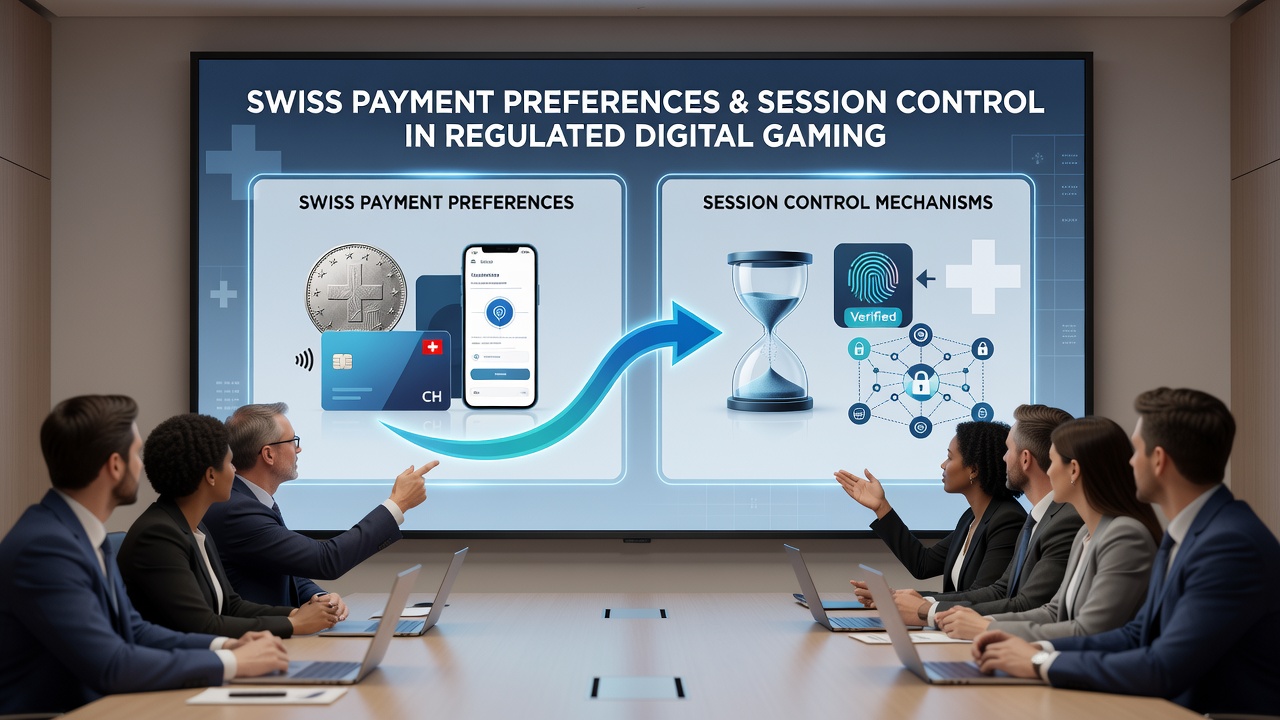
Analysis covering the first half of 2026 indicates that regulated platforms recorded a 14 percent reduction in sessions exceeding 90 minutes among players relying primarily on TWINT compared with those using international cards. The Swiss Federal Gaming Board attributes part of this shift to payment-linked controls that activate after cumulative deposits hit CHF 500 within a single calendar day. Academic papers published by the University of Zurich's gaming research group further connect these outcomes to the high penetration of mobile banking apps in Switzerland, which already notify users of spending patterns and therefore reinforce the same behavioral boundaries that gaming software enforces. Operators have adapted by embedding TWINT transaction logs into their session dashboards, giving compliance teams live visibility into deposit velocity without requiring separate data feeds.
Yet the picture grows more complex when players combine multiple payment types within one account. Regulators now require platforms to aggregate all funding sources into a unified session profile, a rule that became fully operational in January 2026. This aggregation prevents users from circumventing time limits by switching from a wallet to a bank transfer mid-session, and it relies on the same Swiss payment rails that already standardize authentication across domestic banks. External observers from the European Gaming and Betting Association have examined these aggregated profiles and noted that Swiss implementations achieve higher compliance rates than systems relying solely on software-based timers.
Technical Mechanisms Behind Session Control
Session control in Swiss licensed environments operates through API connections between payment processors and gaming servers, so every approved transaction carries metadata that includes timestamp, amount, and player identifier. When TWINT processes a deposit, the processor returns a confirmation code that the platform immediately maps to an active session record; if the session timer already sits near its regulatory ceiling, the system rejects further deposits until a mandatory cooling period elapses. Bank transfers follow a similar path but with an added manual review step that can extend the effective pause between funding events. These technical flows reduce reliance on player-initiated breaks because the payment infrastructure itself supplies the necessary friction points.
Studies conducted by Canadian researchers at the University of Toronto's gambling policy unit in 2025 compared Swiss payment-integrated controls with purely software-driven approaches used elsewhere and found that the Swiss model produced lower rates of extended play. The difference stems from the fact that Swiss payment preferences favor methods already embedded in national banking networks, which carry built-in regulatory hooks that other jurisdictions must replicate through custom code.
Conclusion
Payment preferences in Switzerland continue to influence session control by supplying the transactional infrastructure that licensed platforms convert into compliance tools. As of August 2026, data shows that domestic methods such as TWINT and bank transfers enable more seamless enforcement of time and deposit limits than alternative funding channels. Regulators and operators alike rely on these existing rails rather than overlaying separate monitoring systems, creating a model in which everyday banking habits directly support responsible gaming outcomes. Future adjustments will likely refine how aggregated payment data feeds into session algorithms, yet the core relationship between Swiss payment infrastructure and regulated gaming controls remains firmly established through current operational patterns.